
January 12, 2026

🛠️ How Do Septic Tanks Work?
Think of your septic tank as your home’s private wastewater treatment plant. Wastewater flows from your home into the tank, where solids sink, grease floats, and the clearer liquid (effluent) drains into a leach field to be filtered naturally by the soil.
A basic septic system has three parts:
- The septic tank – Holds and separates waste.
- The distribution box – Distributes effluent evenly.
- The leach/drain field – Absorbs and treats the wastewater.
⏳ How Long Do Septic Systems Last?
- Septic Tank: 20–40 years with proper maintenance
- Drain Field: Typically 20–30 years Poor installation, overuse, or lack of maintenance can cut this time in half.
💸 How Much Does a Septic System Cost?
Here’s a breakdown of estimated common costs:
Service
Estimated Cost (USD)
New Septic System (Not a Treatment System)
$8,000–$20,000+
New Septic Tank Only
$3,000–$7,000
Pumping a Tank
$250–$600
Replacing a Tank
$5,000–$12,000
Replacing Entire System
$10,000–$30,000+
Locating a Tank (if unknown)
$100–$500
Prices vary by location, soil conditions, and system type.
🧭 How to Find Your Septic Tank
Here are a few methods:
- Check property records for past permits or system diagrams.
- Follow your plumbing lines from the house—your tank is usually 10–30 feet away.
- Look for sunken ground, green patches, or access lids.
- Still stuck? A septic professional can use a probe or camera.
🧹 How Often Should You Pump a Septic Tank?
General pumping guidelines by household size:
Household Size
Pump Every…
1–2 people
4–6 years
3–4 people
3–5 years
5+ people
2–4 years
You’ll know it's time when:
- Toilets flush slower
- Drains gurgle
- Odors appear
- You haven’t pumped it in 5+ years
🛠 Can You DIY a Septic System?
While some rural areas allow DIY installation, it's not recommended unless you're trained. Septic systems must meet strict environmental codes. Always check with your local health department before attempting to install or replace a tank yourself.
🏠 Do All Homes Have Septic Systems?
Nope—many homes are connected to municipal sewer systems. You likely have a septic system if:
- You’re in a rural area
- You don’t pay a sewer bill
- There’s a septic lid or riser in your yard
📏 How Big Is a Septic Tank?
Standard sizes range from 1,000 to 2,000 gallons. A home with 3–4 bedrooms typically uses a 1,250-gallon tank. Drain field size depends on soil type and system use.
🧼 How to Maintain Your Septic System
- Pump regularly – Every 3–5 years.
- Don’t flush anything but waste and TP.
- Avoid harsh chemicals – Bleach and drain cleaners kill good bacteria.
- Divert rainwater away from the tank and drain field.
- Keep records of inspections, pumping, and repairs.
💡 What If My Tank Is Full?
Signs your tank might be full:
- Slow drains and backups
- Sewage smell outside
- Water pooling near your drain field
Call a licensed septic professional—don’t wait until it’s an emergency.
🚜 Installing or Replacing a Septic System
Installation Timeline: Usually 3–7 days
Replacement Time: About 1–2 weeks, depending on soil and permit delays
Permit costs and soil testing may add $1,000–$2,500 to your project.
🧭 Final Thoughts
Septic systems might be buried underground, but their importance shouldn’t be. With proper care and attention, your system can serve your home quietly and efficiently for decades. Whether you’re a new homeowner or dealing with a replacement, having the right information helps you make smart, long-term decisions.
Need help documenting inspections, pumping, and maintenance?
Try National Onsite—a mobile-first tool built for professionals and homeowners to keep septic records organized, accessible, and actionable.
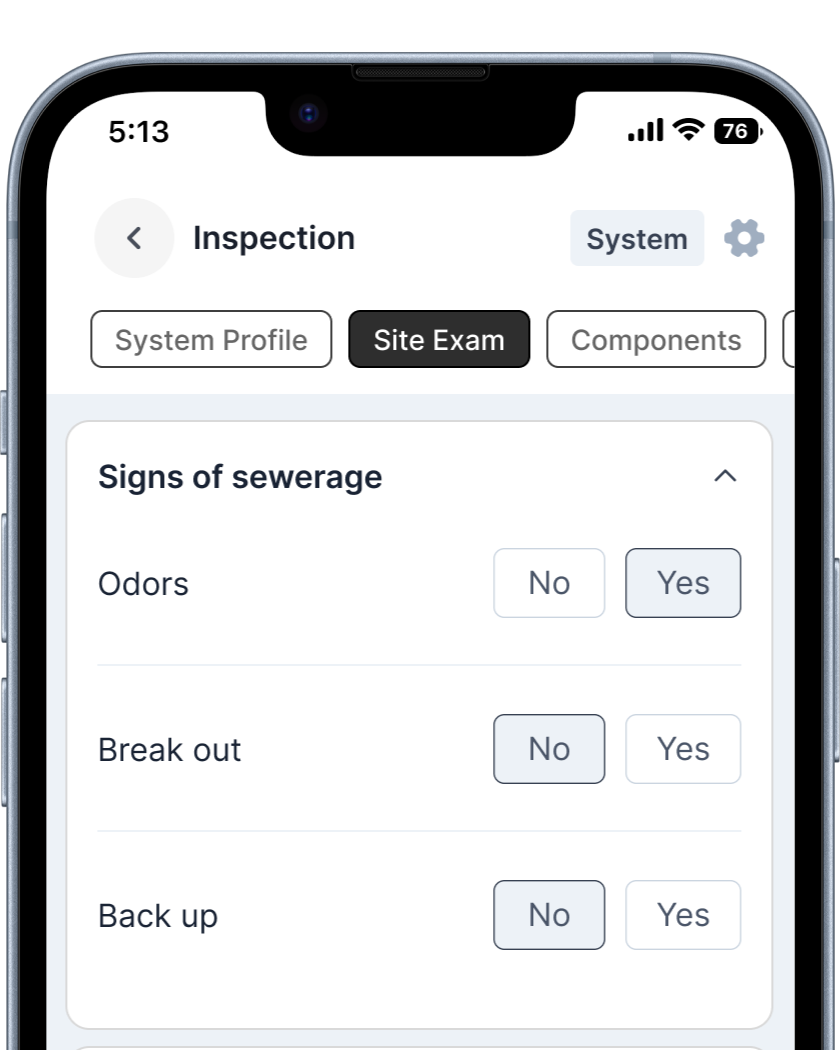

Septic software built for onsite reporting
.svg)
.svg)
.svg)